

Ford Buckeye Arizona Section 179 Vehicle Deduction Overview Guide

Tax season is just around the corner, which means now is the time for your business to arm itself with this year's Section 179 deduction changes – a tax write-off for a vehicle over 6,000 pounds. Follow a few simple guidelines, and massive savings could be yours when you shop at Jones Ford Buckeye and our inventory of new and pre-owned pickups, heavy-duty trucks, and cargo and passenger vans.
What Is the Section 179 Deduction & Who Does It Benefit?
Section 179 of the IRS tax code allows businesses to deduct the full purchase price of qualifying company equipment rather than depreciating the cost over several years. These immediate tax savings free up capital so businesses can invest, improve cash flow, and expand. Section 179 is different from, but can be used in conjunction with, bonus depreciation.
- Maximum Section 179 deduction limits and phase-out thresholds are permanently indexed for inflation and adjusted annually.
- The Section 179 deduction benefits small and midsize companies that spend less than $6.5 million per year on machinery and equipment.
- The Section 179 deduction applies to both new and used equipment purchases.
- Eligible equipment and machinery can be leased, financed, or purchased with cash but must be used for business more than 50% of the time.
- Equipment investments exceeding $6.5 million are not eligible for a Section 179 deduction but may still qualify for bonus depreciation.
Section 179 Tax Deduction Changes in 2025 & 2026
Recent legislation has altered Section 179 limits for 2025 and future fiscal years. Here's an overview of the new adjustments and how they will affect U.S. companies:
- The maximum Section 179 tax deduction will rise from $1,220,000 to $2,500,000.
- The Section 179 phase-out threshold will increase from $3,050,000 to $4,000,000.
- Bonus depreciation will surge from 60% to a full 100%.
Vehicles Eligible for Section 179 Tax Deductions in 2025 & 2026
At Jones Ford Buckeye, it's harder to find a commercial model that's not eligible for Section 179 deductions than to find one that is. What models qualify for Section 179?There are 10 different Ford, GMC, Ram, and Jeep vehicles – including 11 different Section 179 heavy-duty truck models – that qualify for this tax break, so if you're looking to add any of the following commercial options to your fleet, now is the time to act:
- Ram 1500 trucks (select configurations based on model year and weight)
- Ram 2500 and 3500 trucks
- Ram Chassis Cab 3500, 4500, and 5500 models
- Ram ProMaster 1500, 2500, and 3500 vans
- Jeep Gladiator in select trims
- GMC Sierra 1500 trucks (select configurations based on model year and weight)
- GMC Sierra 2500 and 3500 trucks
- GMC Savana cargo and passenger vans
- Ford Transit cargo and passenger vans
- Ford F-150 vehicles in select trims
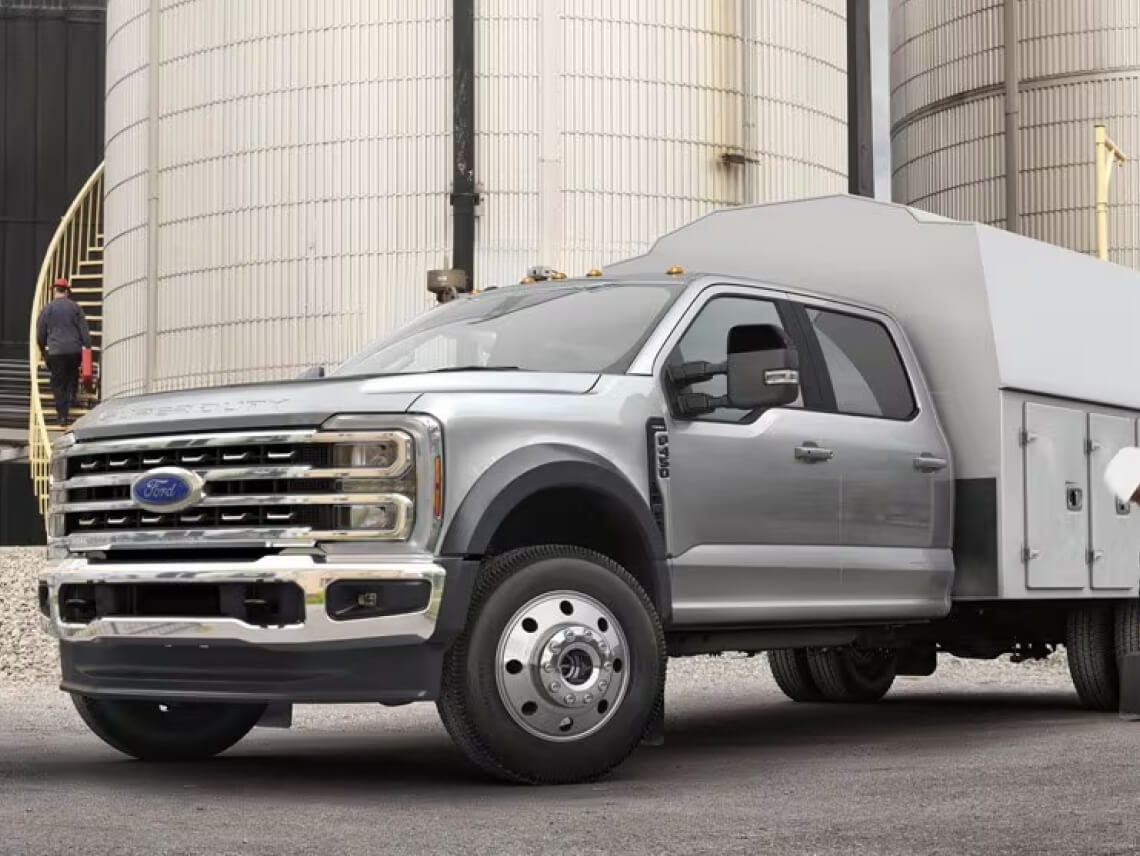
- Ford Super Duty trucks, including the F-250, F-350, F-450, and F-550
Section 179 Weight Requirements & Deduction Details
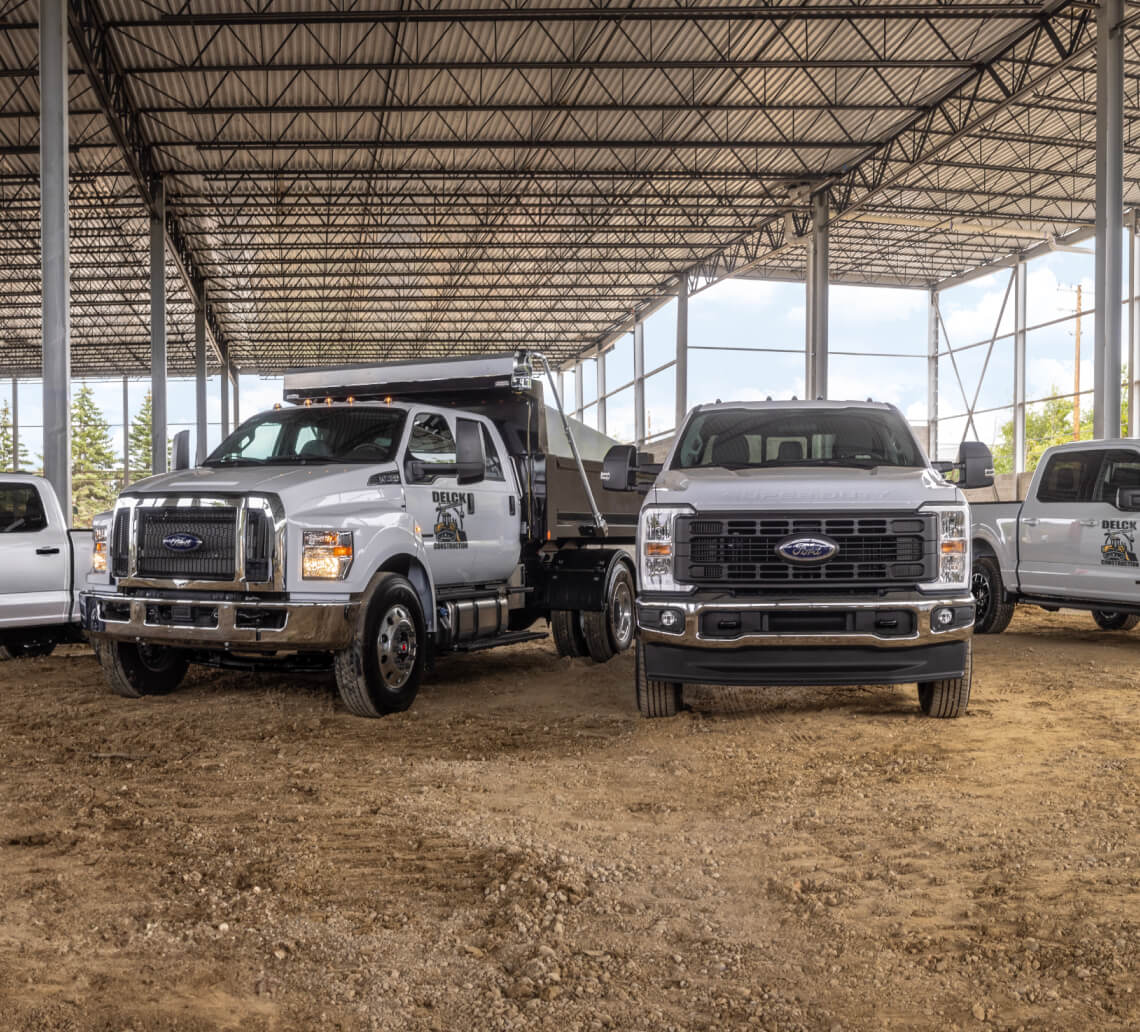
Curious about the "fine print"? The 2025 Section 179 vehicle deduction only applies to vehicles that are placed into service by December 31, 2025. These can be SUVs, trucks, or vans, but what are the weight requirements for Section 179? Over 6,000 pounds, not surpassing 14,000 pounds (maximum can be exceeded on certain commercial vehicles).
Specialized work vehicles like ambulances and box trucks, nine-passenger (or more) vehicles, and pickups and vans with 6-foot or longer cargo areas are included. Deductions are also limited to taxable income. In short, this is a tax write-off for a vehicle over 6,000 pounds as long as other criteria are met.
Claim Your Section 179 Deduction: 2025 Savings Are Available at Jones Ford Buckeye
Running a business takes grit and unflagging determination, but it also demands financial savvy – and that's why a Section 179 deduction could be your key to next year's growth. If you have questions about the Section 179 vehicle weight limit or which models qualify for this valuable tax benefit, our team is here to guide you. At Jones Ford Buckeye, we don't just assist in finding, financing, and saving on commercial vehicles – we also partner with you to keep your business moving forward.
Frequently Asked Questions About Section 179 Tax Deductions
Which Ford vehicles typically qualify?
In 2025, the Ford vehicles that qualify for a Section 179 deduction are F-150 (certain trims and years), F-250, F-350, F-450, and F-550 trucks, along with Ford Transit cargo and passenger vans. We typically stock all these eligible models, so browse our Jones Ford Buckeye inventory online or in person to see how our dealership can help maximize your company's tax breaks and profits.
Do all F-150 trucks qualify?
Yes and no: All 2025 Ford F-150 trim levels should qualify for a Section 179 deduction. But 2025 rules stipulate that this is a tax write-off for a vehicle over 6,000 pounds, and all 2025 variants meet this requirement. However, certain used trims from past model years may be below the Section 179 vehicle weight, which would disqualify them from a deduction.
New or used: Does it matter?
No, your decision to lease or finance a new or used commercial vehicle does not affect your business's ability to file for a Section 179 tax deduction. According to guidelines, any new or used vehicle with a qualifying Section 179 GVWR weight between 6,000 and 14,000 pounds that is used for commercial purposes 50% or more of the time should qualify for a deduction and subsequent bonus depreciation.